Wednesday, February 7, 2018

Dancing on the Brain

Keep dancing… it turns out it is good for the brain

Picking up choreography can seem like a brain teaser. Interpreting which arm, which leg, which direction even, can lead to legs and arms everywhere except for the very position they should be in. This can be frustrating, but keep dancing, as research suggests that learning new steps could prevent dementia.

By Alanna Orpen 4 Apr 2016
Dancing is good for the brain
In the studio by Alanna Orpen

I am frequently in a dance studio, where routines and exercises are thrown at me (and my fellow dancers). You’re expected to pick up the steps in a matter of minutes, are set improvisation challenges, and the choreography changes from week to week.

It is as much a mental workout as it is physical, digesting the constant new material, but this turns out to be a good thing. At the start of a contemporary class, the teacher announced, “Good news for us dancers, I read today that dancing can prevent dementia.” So I thought I’d investigate.

Dementia risk
Dementia describes a set of symptoms that may include memory loss and difficulties with thinking, problem-solving or language, that are caused when the brain is damaged by diseases, such as Alzheimer’s.

According to the World Health Organization, the number of people who will be affected by neurological disorders is expected to increase in the upcoming decades. There are issues with current surgical and pharmacological treatments, as well as conventional rehabilitative therapies, so new therapies are needed.

dancing can reduce the onset of dementia

Dance is seen as viable therapy because it simultaneously combines physical and cognitive stimulation, which could maximize its impact on neuroplasticity and cognition. So far, studies have examined the effects of dance in elderly individuals with dementia, including subjects with Alzheimer’s disease and those with confusion, disorientation, and memory loss.

Dance to prevent onset of dementia
Dance is mentally stimulating
Dancing is mainly associated with physical health benefits, but scientists have recently discovered its neurological benefits. The complex mental coordination that dance requires activates several brain regions: the cerebellum, the somatosensory cortex and the basal ganglia, triggering kinaesthetic, rational, musical, and emotional responses. This strengthens neural connections and can improve our memory.

Benefits of dance movement therapy in dementia treatment
In 2003, research published in the New England Journal of Medicine found that dancing can reduce the onset of dementia. The 21-year study of senior citizens, aged 75 and older, was led by the Albert Einstein College of Medicine in New York City, funded by the National Institute on Aging. They measured each participant’s mental alertness as a means of monitoring the rates of dementia, including Alzheimer’s disease.

The researchers studied a range of cognitive and physical activities, such as reading; writing; doing crossword puzzles; playing cards; playing musical instruments; dancing; walking; tennis; swimming and golf. Surprisingly, dance was the one activity that was good for the mind, significantly reducing dementia risk. Regular dancing reduced the risk of dementia by 76%, twice as much as reading. Doing crossword puzzles at least four days a week reduced the risk by 47%, while cycling and swimming offered no benefit at all.

dance may still be seen as recreational while its clinical value is overlooked

But, not all forms of dancing offer the same cognitive benefits. Working on memorized sequences, might improve your performance, however it doesn’t create new neural pathways. The theory goes that the more pathways your brain has the easier it can access stored information and the better your memory.

Neurologist Dr. Robert Katzman said, “Freestyle social dancing, such as foxtrot, waltz and swing, requires constant split-second, rapid-fire decision making, which is the key to maintaining intelligence because it forces your brain to regularly rewire its neural pathways, giving you greater cognitive reserve and increased complexity of neuronal synapses.”

Building your brain’s neural complex works in much the same way as exercise, to get fitter you have to train regularly. So, the more dancing you do, the greater your cognitive reserve. And don’t worry about having to attend dance classes. It’s said that you’ll benefit from just going out dancing. Your improvisational skills on the dance floor should fire up the rapid decision-making that’s needed to forge new neural pathways.

Another study in 2012 showed that a 10 week dance intervention helped dementia patients over 70. It was a small pilot study of 18 subjects, where ten of the dance participants showed an improvement in cognitive function and mood compared to the eight who did not dance.

neurological benefits of dancing
Argentine tango, Parkinson’s Disease and future trials
Dance has also been found to alleviate symptoms of Parkinson’s disease. Similarly to dementia, it is another disease where individuals can suffer impaired mental function due to damaged neurons in the brain. A review, published in BMC Neurology, discusses how the Argentine Tango can improve an individual’s spatial awareness and memory because of the postures and simple paths learnt during the dance classes. These are then stored, remembered and used again, but it is also important for individuals to improvise and respond spontaneously to the music.

The field of dance research in the elderly is relatively young and continues to evolve. A study published in BMC Geriatrics, found that a dance video game, which combined physical and cognitive training, was more beneficial in improving walking accuracy and pace in older adults than muscle strengthening exercises alone.

Research hoping to bolster the use of dance therapy include a trial in BMC Geriatrics. The authors will examine whether two hours of moderate dance sessions a week will be sufficient to increase brain growth factors supporting brain plasticity and slow down dementia progression.

Dance and ageing research has shown its positive impact on the neurology in healthy and dementia groups. Dance therapy could be prescribed by physicians to improve visual perception and spatial memory, an area commonly affected by dementia. Even so, would traditionalists be willing to accept dance as something more than just a hobby and trust in its clinical value? At least there’s little worry about negative side effects.

If dancing can keep my mind healthy, as well as my body, then bring on the fast intricate footwork along with a port de bras (carriage of the arms) to match. I’ll see you in the studio.

This Is Your Brain On Tango - Study from 2005


Doing the tango keeps the brain in step, too

By Kathleen Fackelmann, USA TODAY


WASHINGTON — The hot moves of the Argentine Tango not only keep the aging body in shape, they also may help sharpen the aging brain, according to a study out Tuesday.

That study, presented here at the annual meeting of the Society for Neuroscience, adds to a growing body of evidence indicating that such challenging leisure activities as dancing, chess or even gardening may offer a boost in brainpower that could offset the declines that can come with old age.

Previous studies in animals and in humans had suggested that a sweat-breaking workout may help keep brain cells in top form. But Patricia McKinley of McGill University in Montreal also knew that the activity had to be something that seniors would enjoy.

McKinley picked the tango, a dance that's both fun to do and involves a series of complex moves that can improve balance. Her team recruited 30 seniors ages 68 to 91. Half the group got tango lessons, and the other half were assigned to a walking group.

The dancers got a boost in self-esteem almost right away.

"They would come in with sweatpants and sneakers, but after the third or fourth class, they had on makeup and jewelry," McKinley says. The class was mostly older women, but older men came, too.

After 10 weeks, the team looked for improvements in brainpower. Both walkers and tango dancers had better scores on memory tests, but only the tango dancers improved on a multitasking test. Such a boost may translate to better abilities off the dance floor, such as the ability to talk on the phone while responding to an e-mail.

Tango dancers also gained improvements in balance and motor coordination. That finding suggests they'd be at less risk of falling, a significant gain for older, frail people who can break a hip and never fully recover, McKinley says.

Tango dancing isn't the only way to power up the brain.

A second study, also presented at the Society for Neuroscience meeting, suggests that a specialized computer game might do the same.

Michael Merzenich at the University of California-San Francisco and his colleagues designed a gamelike computer program that might improve the ability to retain information.

The game also trains older people to listen carefully to words, strings of words or sentences and then answer questions about what they've learned. Older people often have trouble with their hearing, and that can slow down or impair their ability to learn a new task, Merzenich says.

The group trained 42 seniors to use the computer program. They found the seniors did better on standard tests of memory and attention compared with 33 control-group seniors, some of whom used a computer during the eight weeks but not the specialized game.

Both studies underscore the importance of a good mental workout. "The brain is like a muscle," says Paul Coleman at the University of Rochester Medical Center. Seniors should pick an activity they enjoy, such as tennis or bridge, and then "just do it," Coleman says.


Press Release

STUDIES WITH DANCING, COMPUTER TRAINING, SHOW WAYS TO MAINTAIN A HEALTHY BRAIN IN OLD AGE

For immediate release.

NR-11-05 (11/15/05). For more information, please contact Sara Harris at (202) 462-6688 or sharris@sfn.org.

STUDIES WITH DANCING, COMPUTER TRAINING, SHOW WAYS TO MAINTAIN A HEALTHY BRAIN IN OLD AGE

WASHINGTON, DC, November 15, 2005 — Scientists are unraveling the mysteries of how the brain ages—and none too soon. The number of people living past age 65 has increased dramatically during the last century, from slightly over 4 percent in 1900 to 13 percent in 2000. It’s estimated that by 2050, when the baby boomer generation is fully ensconced in its elderly years, 20 percent of Americans will be 65 or older. Indeed, the fastest-growing segment is people over age 85.

As the population ages, the incidence of neurodegenerative disorders associated with old age, such as Parkinson’s disease, Alzheimer’s disease, and other forms of dementia, will rise significantly, placing an emotional and economic burden on an increasing number of individuals and families as well as on the public health system. Fortunately, most people do not develop such diseases as they age, but they do experience age-related memory and other cognitive declines. By better understanding how and why those declines occur, scientists hope to find preventive and therapeutic treatments that will help the growing population of the elderly retain active, productive lives throughout their lives.

According to new research, two effective treatments for maintaining a healthy brain include tango dancing and a specialized computer training program.

“Just as the aging of a bottle of wine is a function of the grape and vineyard that the wine came from and how it’s treated during its life, so is the aging of the human body and brain,” says Paul Coleman, PhD, professor of neurobiology and anatomy at the University of Rochester Medical Center. “So people need to treat the brain properly and take care of it and do things to it that will increase its longevity.”

There’s plenty of good news about the aging brain. Recent neurobiological studies have found that healthy individuals lose far fewer nerve cells (neurons) in the brain as they age than previously thought, says Marilyn Albert, PhD, a neuroscientist at Johns Hopkins University.

And there’s more: Scientists have also found that not everybody experiences age-related changes in cognition. “Some older adults perform much more poorly on tests of mental ability than younger individuals, which tends to make the average for the group decline,” notes Albert. “But other older individuals perform in the same range as people many decades younger than themselves. This variability suggests that there must be factors that influence brain aging, even among healthy individuals.”

Genetics certainly plays a role, but so does, according to growing evidence, environmental and lifestyle factors. Epidemiological studies conducted in many countries and across many cultural and socioeconomic backgrounds have found that three important factors help predict how well healthy adults maintain cognitive function as they age: mental activity, physical activity, and social engagement.

“Much work remains to be done to understand the mechanisms by which lifestyle factors affect brain aging and thereby permit specific recommendations for individuals,” says Albert. “The findings to date, however, suggest that as the 21st century unfolds, we will learn much more about ways in which we can maintain brain function at an optimal level into old age.”

Some scientists are examining the nature of age-related changes in the brain. Using a new statistical technique to analyze the results of structural magnetic resonance imaging (MRI) of the brain, researchers at Columbia University were recently able to identify, for the first time, brain “patterns” or “networks” implicated in the normal aging process and to assess the impact of these interrelated patterns on changes in cognition. Previous MRI studies of the aging brain tended to use analytic techniques that considered each region of the brain independently.

For the study, researchers recruited 113 subjects who tested negative for medical, neurological, psychiatric or cognitive impairment. The subjects were divided into a younger group (average age =24) and an older group (average age = 73). The brains of all the subjects were scanned with high-resolution MRI and evaluated with a brief series of neuropsychological tests. The MR images were segmented so that grey and white matter of the brain could be examined separately. A multivariate technique based on a subprofile scaling model was then used to identify age-associated patterns of grey and white matter. The degree to which individuals expressed this pattern was compared to their performance on the neuropsychological tests.

“Our results suggest that there are identifiable networks of grey and white matter regions that systematically decline with age,” says Adam M. Brickman, PhD. Many areas of the brain appear to be involved in these networks. For grey matter, the network includes areas along the surface of the brain (cortical) and deep within the brain (subcortical). For white matter, the network includes deep frontal regions, areas surrounding the ventricles (cavities within the brain that that contain cerebrospinal fluid), and the large fiber tracts that connect the various parts of the brain.

“We also found that the expression of both grey and white patterns is associated with performance on cognitive tests, particularly tests that measure memory, attention, and executive function,” adds Brickman. “That is, the more each individual’s images resembled older brains, the poorer the performance on the tests of cognition.”

Brickman and his colleagues will next attempt to determine what factors might mediate the relationship between age and these structural and functional changes in the brain—studies that may help scientists develop treatments to halt or perhaps even reverse the effects of age on the brain.

Most research into the aging brain has focused on gray matter, the darker-colored tissue of the brain composed mainly of the bodies of nerve cells (neurons). Gray matter includes such structures as the cerebral cortex, the thalamus, and the basal ganglia, and is believed to be the “thinking” center of the brain where memory, among other cognitive functions, is processed. As we age, some neurons shrink and others die, resulting in a loss of gray matter.

Although less studied, white matter—the fibers (axons) that connect neurons within and between brain regions—also shrinks with age. Axons transmit messages among neurons, and are encased in a sheath of fat called myelin. With aging, the thickness of the myelin decreases, resulting in reduced white matter density—a change that can be seen under a microscope, particularly around the brain’s ventricles (cavities containing cerebrospinal fluid) and in deep white matter. If this shrinkage or deterioration in the brain’s “telephone wires” is significant, it may cause interference in communication between areas of gray matter. In turn, this disrupted communication could impact a person’s ability to perform complex, coordinated daily tasks, such as remembering to pay the bills on time or doing complicated mathematical calculations in one’s head.

At the Massachusetts Institute of Technology, David A. Ziegler and his colleagues used a fairly new MRI-based brain imaging technique, diffusion tensor imaging (DTI), to study white matter changes in healthy aging brains and how these changes are linked to cognitive performance. DTI measures the ease with which water molecules move in a particular direction through different types of tissue. Because bundles of myelinated axons create barriers that restrict the movement of water non-randomly, DTI can be used as an indirect measure of the integrity of white matter—and, thus, of whether regions of white matter are particularly susceptible to the adverse effects of aging.

The cognitive tasks chosen for the study were designed to assess episodic memory (the ability to remember specific events and their contexts), semantic memory (the ability to remember facts), and frontal lobe cognitive control processes (the ability to coordinate one’s thoughts and actions). “We found that white matter integrity was particularly reduced in the frontal-most parts of the brain—areas such as the prefrontal cortex and the anterior portion of the corpus callosum,” says Ziegler. “We were also able to demonstrate that this decline in integrity is associated with a decreased ability to perform tasks that require cognitive control—precisely those functions traditionally assigned to the frontal lobes.” In contrast, performance on semantic and episodic memory tasks appears to relate more to integrity of white matter in other parts of the brain, such as regions underlying the parietal and temporal lobes.

Next, Ziegler and his colleagues intend to determine the extent to which age-related functional declines are dependent upon white matter versus gray matter and when in the course of aging these patterns first emerge. In other words, is it the neurons themselves or the connections between them that are the critical factor in age-related function decline? Or do gray matter and white matter each play a distinct role? One way to address this issue would be to see whether increasing white matter integrity would improve cognition and in what way. Until now, therapeutic attempts have focused largely on specific neurotransmitter systems (such as the cholinergic system) or on pathological entities in the brain (such as neuritic plaques).

“An unexplored target for drug development is the brain’s white matter,” says Ziegler. “Because the cellular components of white matter show a remarkable capacity for plasticity through the lifespan, it may be possible to enhance white matter integrity in older individuals pharmacologically or even through changes in diet or cardiovascular fitness. If it is possible to harness white matter plasticity, this approach might prove a very effective means of countering some of the cognitive declines that are typical of advanced age.”

While some scientists examine how the brain ages, others are exploring what can be done to prevent or possibly even reverse age-related cognitive decline. At McGill University in Montreal, Canada, researchers have found that the sultry moves of Argentine tango dancing can help the aging brain. “Our findings suggest that tango may be better than walking for improving the execution of complex tasks and the ability to move within a restricted area without losing one’s footing,” says Patricia McKinley, PhD.

More than one-third of the elderly population in the United States experiences a fall each year, and, for older adults, falls are a leading cause of death. In addition, 71 percent of seniors over the age of 65 live alone, and many spend more than seven hours a day without any social contact. This isolation, coupled with the normal aging process, can lead to cognitive decline.

Tango dancing is beneficial to the elderly, says McKinley, because it incorporates elements found in standard neurological rehabilitation programs: forward, backward and side-to-side weight shift; one-legged stance; walking on a straight line both backwards and forwards; increasing step length in all directions; and turning within a narrow space.

“An added benefit of tango is that its movements are performed to music, which is known to facilitate performance of ambulatory activities,” says McKinley.

For the study, which was funded by the Drummond Foundation, the researchers recruited 30 seniors, aged 62 to 90. All were healthy individuals who had experienced a fall within the last year and had developed a fear of falling. They were randomly assigned to either a walking group or a tango dancing group. Both groups met for two hours twice a week for ten weeks.

Both the dancers and the walkers had their motor and cognitive skills evaluated before and after the program. The evaluations included spatial and numerical memory tests, complex and simple walking tasks, clinical measurements of balance, and self-efficacy for balance.

The tango group showed improvement in balance, posture and motor coordination, as well as cognitive gains. Specifically, the tango group performed significantly better than the walking group at performing a complex cognitive task while walking, at standing on one foot, and at turning in confined spaces. Memory testing, however, was inconclusive, perhaps because the sample size was not large enough, says McKinley.

The drop-out rate for the tango group was smaller than that for the walking group (one versus four), and 66 percent of the tango group continued to participate in the activity a year later.

“Tango dancing is an ideal leisure activity for this population,” says McKinley, “because it satisfies three basic requirements for exercise adherence: it’s fun, it’s a group activity, and it has a tangible goal that can be perceived not only by the dancer, but by his or her family and friends.”

Another new study has demonstrated that an eight-week computer-based training program that exercises the brain’s auditory and language systems can significantly improve neuropsychological measures of memory in older adults. These findings open up new therapeutic possibilities for enhancing memory and reversing the cognitive function decline associated with the aging brain. Perhaps more importantly, they underscore the premise that the brain is capable of adapting and improving at any age. While the “use it or lose it” slogan has recently become closely associated with mental fitness, this study is one of the first to demonstrate how to “use it” to achieve measurable results.

The training program used in the study was designed based on extensive research into the brain’s inherent plasticity, or ability to adapt at any age, and represents a departure from conventional approaches by treating underlying causes of cognitive decline rather than just the symptoms.

The study involved 95 participants (ages 63 to 94) who were randomly assigned to one of three groups: a brain plasticity-based training program group, a control group using a computer, and a no-contact control group. The training group completed an hour of computer exercises daily. The program included six exercises that rotated on a daily basis with each participant performing four of the six exercises on a given day. A trainer was present if any participants had difficulty with the program. Using a computer-based program permitted the researchers to deliver stimuli accurately and consistently, to change the difficulty of the tasks as people improved, and to track performance gains.

Before and after the training period, all participants were administered standardized assessments of memory and cognition, including the Repeatable Battery for Assessment of Neuropsychological Status (RBANS), which evaluates five cognitive areas: immediate memory, delayed memory, attention, spoken language, and visuospatial perception. In addition, participants received a standardized assessment of working memory. Those participants who completed more difficult levels of exercises showed the greatest improvements.

“We found that the group who completed the training program experienced significant improvement in measurable memory scores,” says Michael Merzenich, PhD, chief scientific officer at Posit Science and the Francis A. Sooy Professor at the Keck Center for Integrative Neurosciences at the University of California-San Francisco. “In fact, by using RBANS age norming data, we concluded that the majority of the participants in the training program group improved 10 or more years in neurocognitive status. Beyond measurable results, participants in the study reported a range of benefits from feeling more engaged in conversation to having more control over their lives.”

The next step in this research, Merzenich says, is to evaluate the effects of computer training on people’s ability to process and understand speech. The researchers also intend to use brain imaging techniques to map how the training program changes brain function.

“While it seems each year brings new scientific advances that increase the physical lifespan in humans, our program shows that brain plasticity-based applications can positively affect cognitive performance,” says Merzenich. “In doing so, we hope to improve overall quality of life as we age, helping our ‘brainspan’ match our ever-growing lifespan.”

The authors of this study are employed by Posit Science Corporation, which is developing brain plasticity-based training programs for commercial release.

Friday, February 2, 2018

Chaos Theory of Floorcraft :: Part 2

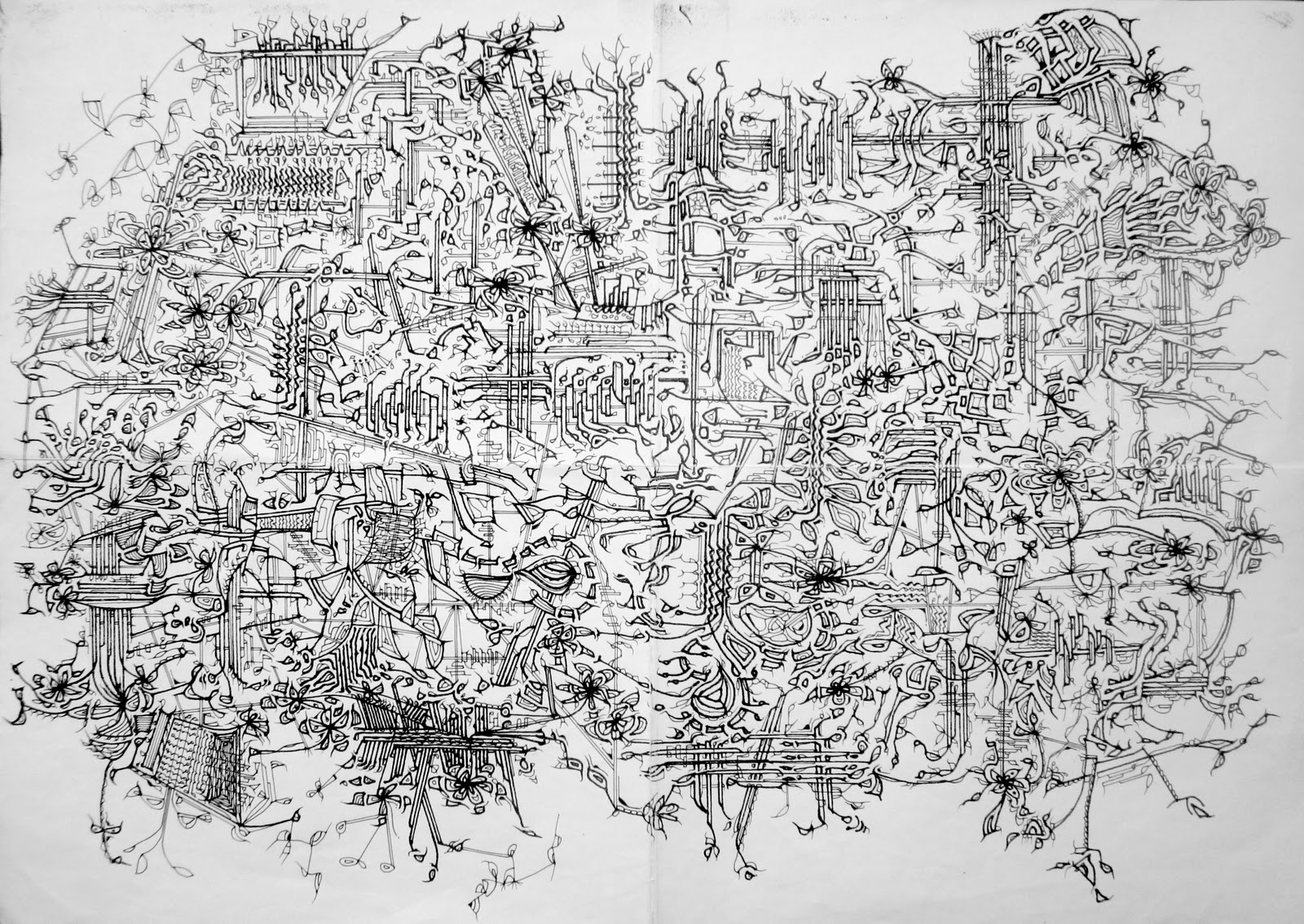
Here is a flowchart/diagram diagrammatical grammatical graphical interface dance notation of every known perpetration and permutation of bad floorcraft, and the evasive/corrective maneuvers to compensate for being on the receiving end of bad floorcraft and also with all good floorcraft techniques and manifestations also illustrated...(this is a joke)

Artist unknown, and I don't know what his actually represents. Probably nothing. Probably just someone doodling.

I thought it was funny. In this context. Hilarious, actually.

I ran across the image whilst farting around and looking at this: Images extracted from the latter half of Choregraphie, a book first published in 1700 which details a dance notation system invented by Raoul-Auger Feuillet which revolutionised the dance world. Just out of curiosity.


Chaos Theory of Tango Floorcraft

Chaos Theory of Floorcraft Part 1 :: The Coolest Man Dancing Tango


Here's Murat Erdemsel at YoLaTango in Austin back in 2014. We miss our YoLaTango! That was always a great mini-festival! Scottish Rite Theater is a fantastic venue.

This video is actually Part 3 in his series - titled "Murat and Michelle Erdemsel at YolaTango 2014: Improve floor craft on tango dance-floors PART-3" (Scroll down to the bottom for Parts 1 & 2 - Part 2 is from YoLaTango as well...)

There's actually very little "meat" on the subject of floorcraft in this video - but I'm not complaining. Using humor, he pokes a bit of fun at leader (left) hand positions, what I've referred to on this blog as "hand forms". I'm not sure if I ever got around to writing the post about the guy I used to encounter with the "waving palm frond" hand form. Oh well. Bizarre hand forms don't piss me off like they used to. Approaching fifteen years in, I've matured in my tango, and hopefully I'm more Zen/Taoist about it. Although bad floorcraft still pisses me off.

Anyway...so for just over the first six minutes of the video Murat does a skit, although perhaps the better word is shtick, on hand form. Pretty good. Pretty funny. Michelle is his beautiful assistant. Too bad they split up. :(

Beginning at 6:25 in the video, he talks for the last two minutes on "the evolution of the coolest man dancing tango in the milongas", with a few subtle nods to practicing good floorcraft. He starts out with importance of the connection between the couple, their connection to the music, and then the connection of the couple to the dancers around them. It's also common now to hear talk (or read about) of all of the dancers in the milonga ultimately being connected to each other physically (through negative space) and dynamically, vs. energetically. A murmuration of starlings comes to mind, although humans are not nearly as perfect as Mother Nature provides. Not by a longshot.

So he makes a good point in this last part, that the "coolest man dancing tango" is "the man who inspires other men to want to dance behind him". Because he provides a safe space by practicing good floorcraft. The coolest man allows those safe spaces to open up in front of the dancers behind him. A very good point indeed. I never thought about it this way. Kudos to Murat for this.

The video description on YouTube also makes a few good points about floorcraft (aka navigation and all of the various elements that combine into the grand subject of floorcraft). That floorcraft is "the most boring subject in tango", which is probably true, because I don't think many teachers actually emphasize it enough in their classes. In my view, it should be touched on in each and every class, and focused on in beginner classes for the first three to six months of a dancer's path into tango. Ideally.

The second extremely important point: "how to follow the line of the dance or a responsibility that many men claim to fulfill but in reality they do not..."

And the final point: "For the sake of having an ultimate dancing experience for every dancer dancing with peace, respect and happiness while maintaining responsibilities."


Here's the full video description:

Murat Erdemsel speaking specifically about "evolution of the coolest man dancing tango in milongas".
It is one of the most boring subjects to study in tango; how to follow the line of the dance or a responsibility that many men claim to fulfill but in reality they do not.
Murat, and Michelle helping during his impersonations, finding ways to bring it to all men during the actual milonga and making it fun to listen. For the sake of having an ultimate dancing experience for every dancer dancing with peace, respect and happiness while maintaining responsibilities.


For the sake of good floorcraft.

For the sake of planting the seeds of good floorcraft.

How do we, as dancers, teachers, organizers, and communities promote and influence and manifest the practice of good floorcraft? Because it seems to fall by the wayside much too frequently, and we all end up having to contend with the perpetrations and permutations of bad floorcraft.

A final thanks to Murat (and Michelle) for this video, the video series, and for their contributions to and influences on the Austin Tango Community.

And to a big thank you to Elif and Marc - for the bravery to give "good floorcraft" center stage at a (mini) festival - a novel idea to have the visiting teachers do a class/presentation on it right before a milonga. This should happen more.

Afterthought...

It's not lost on me that the guys who think they are the coolest man dancing tango, dancing to impress themselves, dancing to impress their partner, or worse, dancing to impress others in the room, are most frequently the ones who are oblivious to the dancers around them, dancing without respecting them or the spaces around them, dancing too big for the milonga, and are generally oblivious to (good) floorcraft and the thoughtful and earnest practice of it.

None of those guys will ever read this.

Okay, now, really, finally, and for the record, here are the first two videos of Murat's series:

AirMilonga by OpenMilonga. Improve floor craft on tango dance-floors PART-1


More "meat" on floorcraft in this one, again before a milonga at YoLaTango (starting at the one minute mark), again using humor - the "four types of guys" - which we all want to be the Type 4 guy.

Murat and Michelle Erdemsel at YolaTango: Improve floor craft on tango dance-floors PART-2


And now, really finally lastly, as a reward to those of you who read and scrolled all the way down, here are Murat and Michelle dancing at YoLaTango 2014 to Pedro Laurenz' "Yo quiero cantar un tango" with Alberto Podesta singing...impeccable musicality...


Saturday, January 20, 2018

Choreographed Architecture

More in the vein of Tango & Architecture or The Architecture of Tango, there is this related concept. It is Ciera Shaver's Master's Thesis (University of Idaho, 2015) titled "Choreographed Architecture", which "proposes an analysis of human movement as a medium to generate architectural form". Note that it is conceptualizing dance in general, not tango specifically.

Here is a very short excerpt:

"While dance and architecture initially seem like opposing forces of artistic expression, both mediums are able to engineer an emotional response, addressing human-scaled factors of design and inviting audience speculation.

In theory their end products are identical as they both utilize human intuition to challenge the typical and transform the discovered concepts into physical art forms."


Be sure to click on the "full screen" viewer button at the lower right on the issuu viewer/reader. It appears that she's disabled downloading and embedding.

https://issuu.com/CieraShaver/docs/thesis_compiled

More Tango Architecture or Bandoneonitecture

I just ran across this. Tango Architecture. Or the Architecture of Tango, using Saxon Henry's terminology.

Or maybe Bandoneonitecture? File under "tango as a creative force".

President's Medal award(?)...RIBA/Royal Institute of British Architects...Yigit Cagirtekin (I assume he is or was an architecture student...)

Also learned something new. Labanotation.

Scroll down for muchos fotos.

http://www.presidentsmedals.com/Entry-21371

Bandoneon
Part 1 Project 2007
Yigit Cagirtekin
London South Bank University London UK
This project is derived from the passionate experience of the tango. Time and space are shaped by the experience and weight of the body and the lightness of movement.
The initial investigative processes and film work provided a critical framework around which the project has developed.
The twin programmes of dance school and plastic surgery are choreographed and evolved relative to the dynamic rhythm of the tango.
Structure, form and skin intertwine with the existing church and garden provoking a lyrical expression. This is a project that values and emphasises the temporal experience of architecture.

La Academia Tango Club

Amazing. Huge tango orchestra. Playing La Yumba (Video below the photo.)

http://laacademiatangoclub.com/?lang=en
La Academia Tango Club is a community of orchestras.Over a 100 people group together to learn Tango where it was created. Our orchestras develop professionally with weekly presentations in Buenos Aires and national and international tours. La Academia Tango Club also offers workshops, courses and seminars given by the most important tango musicians.

Friday, January 19, 2018

The Architecture of Tango :: Saxon Henry


Photographer: Saxon Henry | Model/Dress Designer: Maria Elena

Doing a google search on "the tango lesson scene on the seine" I came across this image, with a link back to Saxon Henry's "The Architecture of Tango" - a coffee table book concept. It doesn't look like the book has been published - not sure if she plans to. The post is mostly her musings about Sally Potter's film "The Tango Lesson", and her initial thoughts/steps in producing the book - working title "The Architecture of Tango". Interesting concept.


I'm always struck by the huge amount of content out there in the world relating to El Tango. So many thousands of people who feel compelled (by their feelings for/of/from/about/because Tango) to write, produce, film, photograph, paint, draw, sculpt, dance, play and on and on. Compelled to be creative with Tango as their driving force. A person doesn't have to even dance tango for it to become a creative outlet for them. A creative driver. A creative force. Tango as a creative force in the world. I hadn't thought of that until I started writing this post.

In my case, my compulsion is to document, in my ramshackle down-home intellectual hillbilly sorta way. Well, and y'all who know me know that I take a pretty good photograph now and then. And don't forget dance and listen and think and ponder. I truly believe in my heart of hearts that I'm a much more creative person since tango captured my heart and soul. What is it, fourteen, fifteen years ago now? How time flies. When you're havin' fun.

Anyway, here's an excerpt from her post (from September 15, 2016). It'a a pretty interesting read. Photos and video, as well.

"I envy the pencil being held carefully between her fingers, the rasping sound the sharpener makes as a thin layer of wood peels away from the instrument’s body. I am fascinated by her hesitation, the dark point poised above the supple blank pages so pristine the sight sends ripples of resistance through the synapses of my mind. It takes an audacious writer to stare down nothingness, and Sally Potter, sitting bolt upright at a table as she readies herself to begin the process of writing a screenplay, is up to the task. She records one word, rage, in a neat cursive and nothing more. For now.

Suddenly she is rushing along a street in Paris as the staccato strains of tango music waft from a Bandoneón, drawing her into a performance hall where Pablo Veron is dancing on a stage, leading his female partner through a perfect performance. Potter is enraptured and, as the applause reaches a crescendo, the camera cuts away from her animated face to the stage; then to a close-up of the famous Argentine dancer, who peers into the camera with eyes I’ve seen before.

His stare is akin to the predatory gaze I saw one summer afternoon in the zoo in Buenos Aires, the black panther pacing behind a glass partition having just awakened from an afternoon nap. The big cat’s eyes held the same mix of disinterest and menace. You are now sensually nailed into the world of the Argentine tango.

The scenes Potter makes her way through are set within the first few moments of The Tango Lesson, a film she wrote and directed that serves as a a canvas upon which she and Verón compose the story of the dance and its strain on relationships. I have seen her level of passion for tango firsthand so I knew, even before I saw an interview during which she stated that the movie is nothing less than a love letter to the dance, how she felt. “I was totally and completely in love with the music and the dance itself,” she explains, “and I immersed myself completely for about two years before making the film.” This immersion included numerous trips to Buenos Aires where she danced in the city’s milongas, as the tango salons are called. She also took hours upon hours of lessons in order to perfect her moves."

Unless the music taps into a deep well inside your being, I believe it is difficult to understand the level of attachment Potter describes. My interest was sparked when I visited Baires a handful of times with a guy I dated for a number of years. His introductions to his hometown included taking me to the clubs where tango enthusiasts, called tangueros and milongueras, circled the dance floors from midnight until sunup.


Read the rest here:
http://saxonhenry.com/the-architecture-of-tango/

Also, her author page on Amazon is here.

Here's her bio from the Amazon page:
Saxon Henry, an author, poet and content creator, is a literary adventurer on The Diary of an Improvateur on SaxonHenry.com. Also the founder of The Literary Blog to Book Movement on Google+, Saxon has four books to her credit, the latest of which are "Anywhere But Here" (poetry), "Stranded on the Road to Promise" (memoir), and "Four Florida Moderns" (architecture). "Stranded on the Road to Promise" chronicles Saxon's experiences on the Native American reservations in South Dakota and Alaska.

The writer is a member of the American Society of Journalists and Authors, and, as a journalist for over two decades, has written for a variety of national publications, including "The New York Times," "The Wall Street Journal," "Interior Design," "Robb Report," "Traditional Home," "Delta Sky Magazine," "The Miami Herald" and "Latitudes."


Los Guardiola: The World's Smallest Tango Show (Tango & mime)

Scroll down for two more videos...


"LA GARÇONNIÈRE"
El espectáculo de tango mas pequeño del mundo.

Inspirado en el tango "A Media Luz", "LA GARÇONNIÈRE" es un número cómico compuesto de tango y mimo sobre un cubo.
Este último representa metaforicamente el "bulín" o bien el departamento para encuentros amorosos inspirado en la celebre garçonnière situada al segundo piso de Corrientes 348.
Sobre el cubo se produce el encuentro amoroso: un juego de seducción que termina, a causa de vicios mundanos, en un divertido cambio de roles...

Autores e intérpretes: Marcelo Guardiola y Giorgia Marchiori, "Los Guardiola".
Grabado en el Maipo Kabaret del Teatro Maipo,
Buenos Aires, Argentina.
Video: Carolina Jaureguiberry
www.losguardiola.com


LOS GUARDIOLA - Trailer.
Mimos, bailarines y actores, Marcelo Guardiola y Giorgia Marchiori, artisticamente conocidos como "Los Guardiola", nos proyectan en el fantástico mundo de sus pantomimas danzantes, en donde lo cómico y lo trágico se funden al compás del tango.

Mimes, dancers and actors, Marcelo Guardiola and Giorgia Marchiori, known artistically as "Los Guardiola", project us into the fantastic world of their danced pantomime where comedy and tragedy merge into the rhythm of tango.

Video realizado por Javier Florentino Gorleri en el Teatro Daki Ling de Marsella, Francia.

Foto: Gustavo Cilla

www.losguardiola.com
www.tangoteatro.org


Wednesday, January 17, 2018

To The Ends of The Earth :: Peak Oil Documentary


To the Ends of the Earth - Individual license from David Lavallee on Vimeo.

(Individual license -- watch at home or own your own with a friend.)

The rise of extreme energy, the end of economic growth, a new way forward

Narrated by Emma Thompson, this award winning documentary looks at where we are going to find our oil and gas today- to the ends of the earth. It chronicles the rise of extreme energy and finds us at a civilizational crossroads.

DOC LA Film Festival- Best Environmental Film 2016

Milan International Film Festival- Special Jury Mention 2017

Planet in Focus Film Festival (Toronto) 2016

Doc website: http://endsofearthfilm.com/


THE ISSUE
“That’s an incredibly important milestone, in terms of the human race”. David Hughes, film subject, describes the turning point we are now facing, as evidenced by the rise of extreme energy.

A few statistics underline this point: 85% of all the energy we use is hydrocarbons, oil, gas and coal; 99% of all the labour done in society is done by fossil fuels (Tulett Prebon, Energy, Finance and the End of Growth)

Clearly this is an important resource for our global economy, but is it perhaps declining rapidly in quality?

What follows here are more in-depth explorations of the ideas presented in the film, along with research links for you to find out more.


THE FILM’S INTRODUCTION
In 2010, the International Energy Agency (IEA), in its World Energy Outlook, announced that 2006 was the global peak of conventional crude oil production. In other words, we would never produce more crude oil then we had in 2006. This seismic pronouncement, however, did not spark panic in global financial markets, as it was couched in language that made it appear as though nothing would really change. "Liquid fuels production would increase until 2030," it said, "as long as huge investments in infrastructure are made." It made no mention of where the money for these ever increasing investments would come from.

An example of the global peak of conventional crude oil production is the Ghawar field in Saudi Arabia. This is the largest oil field in the world, a field that has been feeding North American gas tanks since the 1950s. Today, the field needs to have sea water injected into it, an "enhanced recovery" method that indicates the field has not much more of its easy flowing crude oil to give to us (12 paragraphs down). The largest oilfields in the world were all discovered between 1930 and 1960, and if we make such discoveries today (such as the recent Petrobras find off the coast of Brazil) they are in remote, inaccessible and therefore hugely expensive locations.

No matter, governments and corporations tell us, we have huge amounts of "unconventional" resources available to us. Geologists like to use the metaphor of the "resource pyramid". At the top of the pyramid are free flowing conventional sources of oil and gas, such as North Sea Brent crude of today, and West Texas Intermediate crude of yesteryear. The top of the pyramid is narrow, and as such there are not a lot of these types of crude available to us. As we travel down the pyramid we have far greater resources available to us, but can these resources be extracted at a cost that is not too great — either to the economy or the environment? Are the energy returns of these new unconventional fuels great enough to fuel our society?

What are the economic implications of declining energy returns? Are the technologies being proposed really the game changers that industry is claiming them to be?

Is this the dawn of new era? Are we witnessing the rise of extreme energy?


THE ARCTIC — UNDER THE ICE AT THE ENDS OF THE EARTH

According to the United States Geological Survey (USGS), the region above the arctic circle holds 90 billion bb of oil. This represents about 3 years global oil supply only.

There are costs to wildlife and subsistence hunters that live in the area. Seismic testing for oil is damaging the marine environment.

The multinational oil giant Shell is quite familiar with the rigours of Arctic drilling. On New Year’s Eve, 2012, a tow line connecting the tow ship Aiviq to Shell’s prize drill ship the Kulluk snapped in a violent storm near Kodiak, AK. The Coast Guard stepped in to rescue the 18 souls on board, and Shell’s drilling program in the Arctic was set back as they announced withdrawal of their plans to drill in 2014. Meanwhile the Kulluk ended up in a scrapyard in Singapore. Billions of dollars spent, and not a drop of oil yet recovered from the Chuckchi Sea.


FEEDING THE BEAST

Edwin Drake struck oil in Titusville, Pennsylvania on August 27th, 1859, and the petroleum age was born. Ironically, the investors funding his project had grown impatient, and they decided to cancel the operation, sending a letter to Drake instructing him to pull up stakes and move on. He didn't receive the letter until after he had struck oil, and thus the beginning of the petroleum age was not delayed.

In our modern times, a historical event of an arguably similar magnitude has passed by with little discussion about the societal implications. It’s 2003 and American bombs are raining down on Baghdad. The price of oil begins to climb. The US Energy Administration (3rd paragraph) decides to reclassify Tar Sands Bitumen, a massive petroleum resource in Northern Alberta, as "recoverable" barrels of "oil", whereas previously they were considered unrecoverable. The sky-high price of oil now justifies huge capital investments in this backwater project, and soon all the oil majors have bought up leases in the Tar Sands. By 2006 the industry is producing 1.5 million barrels a day, and they rename the resource "oilsands" to give it the ring of something familiar to us (bitumen is a hydrocarbon cousin of oil). As Baghdad burns, Calgary booms. Is it the birth of a new energy age?

A key difference between this resource and conventional oil is the amount of energy it takes to produce it. Researcher Ben Parfitt has investigated this in detail in his report “Fracking up British Columbia”. A dam called the Site C Dam is proposed to meet burgeoning power needs in B.C. The official story is this power is needed for homes, and given the diffuse nature of the energy grid (the power can go anywhere in North America) this is likely partly true. But Parfitt claims “the drive to increase hydro power is coming from industry” — industries such as the shale gas industry which produces gas from hydraulic fracturing, an energy and water intensive process that has risen up to replace conventional gas drilling in Canada.

David Hughes, a researcher who worked with Natural Resources Canada for numerous years, states that his research shows that Canada peaked in conventional natural gas in 2006, and is now down 20% from the peak already. The only way to get large amounts of gas today is to frack. The shale gas industry projects an 8 fold increase in their power demands (Parfitt, p. 27). Where they will get the power from to do this is unclear, as Site C is only a proposal at this stage and 3 Site Cs would be needed to accomplish this desired increase.

There are many environmental issues associated with both the Site C dam and shale gas operations fed by this dam. The dam itself will flood 7,841 acres of prime farmland, leaving people like Ken and Arlene Boon, farmers, and Gwen Johanssen, mayor of Hudson’s Hope, high and dry (they will lose their land). Shale gas, for its part, requires massive amounts of water; up to 600 olympic swimming pools of water are used at some sites. Lana Lowe, lands director at Fort Nelson First Nation, found her favorite fishing spot, Two Island Lake, drawn down by 15 cms as a result of one of the world’s largest single frack jobs.

Robert Howarth from Cornell University conducted a study on the carbon intensity of fracking operations and found this to be a form of extraction that makes gas as carbon intensive as coal. This is due to “substantive methane emissions”. (Howarth, Robert and Santor, Renee and Ingraffea, Anthony. “Methane and the greenhouse gas footprint of natural gas from shale formations.” Climate Change Letters. March 13, 2011.)

Parfitt states in his report that 55% of the fracked gas now goes to the Tar Sands — “dirty gas to make dirty oil” he says. When considering the environmental and economic impact of a dam (or several eventually), and the energy required to make fracked gas and pipe it to the Tar Sands a province away, we begin to realize that we are “feeding a beast”.


THE END OF GROWTH
With all the energy inputs required to feed such a beast, we need to ask ourselves questions about the energy returns and economic implications of declining energy returns. “The footprint of oil is in 90% of all goods we consume — therefore the current narrative that energy doesn’t matter (it is considered an outlier in mainstream economics) is ridiculous.”(Heinberg, Richard: The End of Growth: Adapting to our New Economic Reality, 2011) I interviewed Richard in Napa Valley, CA.

This does not manifest itself as “running out of oil”, but rather running out of oil that’s affordable enough for our economy to bear its cost.
Charles Hall, professor of Environmental Science at the University of Syracuse, NY (interviewed in Denver, CO., October, 2013), states that conventional crude oil and gas reserves have given us energy returns that are so good that it has enabled us to not even make energy part of our conversation anymore. Hall is the founder of the concept of Energy Return on Investment (EROI) which is a measure of how much energy it takes to make energy. His research has shown that in the 1930s the energy returns were so good that one barrel of oil energy equivalent gave us a hundred barrels of oil in return — an excellent ratio that allowed for the exponential growth of our society. Today, we chug by on returns as low as 2 to 1 (in certain steaming projects in Alberta’s Tar Sands; the mining projects have better returns of 5 to 1). Hall estimates that energy returns of 15 to 1 are the minimum necessary for modern industrialized society. The following gives the ratios for the different fuels examined in this film, as well as for renewable energy sources:

Tar Sands Bitumen (the steam assisted projects, as opposed to mining — recent research from the University of Calgary shows that some the steam-assisted projects featured in the film (Wallace King portion) are actually energy negative. (Gates, I.D. and Larter, S. Energy Efficiency and Emissions Intensity of SAGD. Fuel, 115:706-713, 2014. )
Shale gas (such as the Horne River Basin) — 10 to 1 (though depletion rates of wells are very fast, up to 60% after three years).
Oil shale (i.e. kerogen, the “rock that burns”) — Unknown, but thought to be 1 to 1 or energy negative
Wind Energy — 15 to 1
What is the impact of all this economically? Many authors have written about a “net energy cliff” — the point at which the energy returns are too low to power our society and economy in its current form. This does not manifest itself as “running out of oil”, but rather running out of oil that’s affordable enough for our economy to bear its cost.

Dr. Tim Morgan, former head of global research for the risk analyzing brokerage firm Tullett-Prebon examines in his report “Perfect Storm — Energy, Finance and the End of Growth” what he calls “the headwinds” of our globalized economy. They are as follows:

Crushing debt that all industrialized countries are now bearing: economies thus become dependent on debt fueled consumption, and any reversal in debt availability is bound to unwind the largely illusory “growth” created by debt fueled consumer spending. Mistaking debt fuelled economic expansion for real growth and governments spend accordingly (p. 24). In other words, spending money we simply don’t have both at a personal and national level.
Massaging of economic data to the point where economic trends are obscured — lack of regulatory oversight to hold corporations and individuals accountable.
Fallout from the biggest debt bubble in history — 2008 global meltdown — the effects of which are still being felt today.
And of course, the most permanent and unavoidable of all: The approach of an energy returns cliff edge.
As concerns the net energy cliff, how can it be that with so many resources available to us, and energy companies and governments claiming that we have 500 years of resources available to us, how can it be that there is a problem of any kind?

Jeremy Rifkin, who was not featured in the film but could well have been, talks about the “Zero Margin Cost” society.


UTAH OIL SHALE — THE ROCK THAT BURNS
“Water, water everywhere, and not a drop to drink”
—Samuel Taylor Coleridge

David Hughes uses the analogy of the “tap vs. the tank”. The “tank” is the resource itself, which is absolutely huge. The oil shale in Colorado for example is actually three times the size of the Tar Sands of northern Alberta, which is considered the second largest deposit of petroleum in the world. The “tap” however is what that resource has to come out of — in other words how we need to deliver it to society — and the tap itself is tiny. And our economy can only bear a certain price of extraction: if the price goes too high, the economy contracts; if it stays high, the economy collapses eventually. With no alternatives available to us, no magic bullet waiting to save us, we face a forced human renaissance.

The Ute Nation, the tribe which the state of Utah gets its name from, were the first to discover the properties of oil shale. They observed when making campfires near this type of rock, that it would occasionally catch fire, and they called it “the rock that burns”. It is a form of "oil" called kerogen, a waxy substance that is a geological precursor to oil. Extracting the hydrocarbon from the rock requires mining it first and then inputting massive amounts of energy and water to refine it into something that is normally used as a low-grade bunker fuel. The energy returns have never been calculated, but they are thought to be 1:1 or perhaps even negative. It is, in short, the worst form of oil in the world.

This has not stopped companies like Enefit and Red Leaf Resources, as well as oil giants like Exxon Mobil from making huge plans to develop this resource. The Green River formation is the largest reserve of oil shale in the world, but it is unfortunately also located in the second most arid state in the US, Utah. A US government website touts the resource enthusiastically: “A moderate estimate of 800 billion barrels of recoverable oil from oil shale in the Green River Formation is three times greater than the proven oil reserves of Saudi Arabia. Present U.S. demand for petroleum products is about 20 million barrels per day. If (my emphasis) oil shale could be used to meet a quarter of that demand, the estimated 800 billion barrels of recoverable oil from the Green River Formation would last for more than 400 years.” (Source) While the government enthuses about the potential jobs, revenue and energy, it neglects to mention that the all time production record for oil shale was only 18, 400 barrels a day (Hughes, David, “Drill, Baby Drill”, 2010), a far cry from the 20 million barrels needed to meet US demand per day. Oil shale is only economically justifiable when the oil price is very high, and paradoxically, when the oil price is high it kills demand for oil, so it is hard to imagine a time that oil shale might be profitable. To this day it is still uncertain whether or not oil shale can be done profitably, and certainly not at a worldwide scale.


NUKES FOR OIL
Unconventional oil, due to the difficulty of extraction, is essentially a cannibal of other energy sources.

In an internal document marked “restricted” which I have obtained, the corporation SNC LAVALIN outlines the prospect for nuclear energy as a replacement to natural gas as a feedstock to make Tar Sands oil. Comparing it to the US push to put a man on the moon in the 1960s, it lays out a bold plan to inject massive amounts of capital investments to deploy nuclear energy in the service of making oil.

It sets as a timeline a requirement of 15 years' lead time to fully deploy nuclear power in the Tar Sands. It also describes in detail problems associated with nuclear energy. Some of these problems are well known and yet represent relatively unlikely outcomes: the risk of nuclear meltdown (which has happened only three times in history), terrorism threats, etc…. However, another key concern less well known, the use of massive amounts of water to cool the plants, puts yet another straw into already tapped rivers and lakes in Alberta. It also creates nuclear waste to add to Tar Sands waste. Furthermore, mining uranium and shipping it to the Tar Sands in order to provide it as an energy source to make oil lowers the energy returns (Nuclear = 10:1 EROI) even further, as well as putting the oilsands industry at risk of commodity price shocks from another industry: the report notes the tenfold increase in the price of uranium over a seven year period (due to scarcity of uranium). It’s not just peak oil right now — it’s peak everything. A solution to this problem would be to reconfigure the economy in order to use energy for its original intended purpose, not sacrifice declining uranium and natural gas stocks to make Tar Sands oil at a huge energy loss.


A NEW WAY FORWARD
Realizing that oil is declining in quality rapidly may lead some people to want to double down — “Drill, Baby Drill” is the familiar chorus of the ignorant. Or perhaps we should just switch to renewables. Well yes, but with wind energy at 15 to 1 it’s only just powerful enough to maintain a globalized society — if we had all the infrastructure in place. It may take up to 30 years to build a world free of fossil energy — we don’t have that kind of time. The solution exists in voluntarily shrinking our world, localizing economies and removing fossil fuel energy from food production wherever possible.


STOPPING THE MADNESS — SOLUTIONS
Albert Einstein once said that you can solve a problem using the same kind of thinking that created the problem in the first place. A new paradigm is required.

A Just Transition sees the people employed in new, profitable industries that create far more jobs and are far more democratic than the oil industry ever was.
Enter the Transition Movement. First conceived of by Rob Hopkins (whom I have interviewed for this film, though later cut) in Totnes, England. It is a movement which specifically is built around the twin threats of climate change and peak oil, and seeks ways to build resilience into localized societies. “Resllience is the new sustainability,” Richard Heinberg said in an interview I conducted with him. Resilience is defined as creating the building blocks of society locally, with small community governance, and being completely unaffected by what is happening at the national or international level. If global food stocks are cut back severely due to natural gas shortages — not a problem, we have put in place community-based permaculture systems and are feeding ourselves independently. The Transition Town idea was developed in Kinsale, Northern Ireland, in 2005 by Hopkins, a permaculture teacher. He instigated a community-designed "Energy Descent Action Plan" which set out practical steps that might be taken by Kinsale to reduce its carbon emissions and prepare for a post-cheap-oil future – in terms of creating transitions to more sustainable socio-technical systems and infrastructures. In practice this translates as “build[ing] the town's resilience, that is, its ability to withstand shocks from the outside, through being more self reliant in areas such as food, energy, health care, jobs and economics” (Transition Town Totnes, 2008). The movement’s rationale is:

“Climate change makes this carbon reduction transition essential; Peak oil makes it inevitable; Transition initiatives make it feasible, viable and attractive (as far we can tell so far...)” (Transition Towns Wiki, 2009). Moving from concept to application, Hopkins outlines the four key assumptions of the movement:

"that life with dramatically lower energy consumption is inevitable, and that it’s better to plan for it than to be taken by surprise;
"that our settlements and communities presently lack the resilience to enable them to weather the severe energy shocks that will accompany peak oil;
"that we have to act collectively, and we have to act now;
"that by unleashing the collective genius of those around us to creatively and proactively plan our energy descent, we can build ways of living that are more connected, more enriching and that recognize the biological limits of our planet."
Thus, Transition is an empowering way forward for building the new society we will have no choice but to build in short order.

A really useful movement/idea that has come out of this dying fossil fuel age is the idea of a Just Transition. Simply put, if we are to intentionally collapse an entire oil and gas industry because of the dangers to humanity, then we need to be accountable to the human assets of these industries. A Just Transition sees the people employed in new, profitable industries that create far more jobs and are far more democratic than the oil industry ever was.

Naomi Klein, featured in this film, cites research from the CCPA that states that a given amount of capital investment in renewable energy will create 7 times more jobs than the fossil fuel industry.

A really coherent policy document addressing all the challenges, one which has attracted a great deal of controversy in Canada, is the Leap Manifesto.

Similar to this are the ideas of Degrowth. Wikipedia defines it as follows:

Degrowth (in French: décroissance,[1] in Spanish: decrecimiento, in Italian: decrescita, in Catalan: decreixement), is a political, economic, and social movement based on ecological economics, anti-consumerist and anti-capitalist ideas.[2] It is also considered an essential economic strategy responding to the limits-to-growth dilemma (see The Path to Degrowth in Overdeveloped Countries and Post growth). Degrowth thinkers and activists advocate for the downscaling of production and consumption — the contraction of economies — arguing that overconsumption lies at the root of long term environmental issues and social inequalities. Key to the concept of degrowth is that reducing consumption does not require individual martyring or a decrease in well-being.[3] Rather, "degrowthists" aim to maximize happiness and well-being through non-consumptive means — sharing work, consuming less, while devoting more time to art, music, family, culture and community.

In her film Life After Growth (2010), Degrowth theorist and filmmaker Claudia Medina speaks to the ideas of this movement. Her short film is an excellent exploration into the Degrowth world.

To grow or not to grow — that is the question. Though it’s not much of a question since growth comes from fossil fuels and they are too poor quality to allow us to grow any more.

So… where do we go from here?

Saturday, January 13, 2018

Follower Wisdom from April Parker


Here's the text of her post:

There seems to be a misconception in my region (Atlanta/SE U.S.) surrounding the rules of engagement in milongas. I hope that an experienced dancer and teacher (ME) can shed some light on things for those of you who are confused and experiencing emotionally painful things in milongas. It can be devastating to get all dressed up, go out, and then sit all night watching everyone else have fun. It hurts because you think that maybe these other dancers don't think you're good enough. I've been there many times. And I had to get past myself in order to grow out of that time. These days it is RARE that I'm sitting out against my will.

LADIES/FOLLOWERS: You. Are. Not. Meant. To. Be. Passive. Why should you be? You can work, be breadwinners, vote, hold public office, and many other things. Why do some of you think that it has to be always the man's choice and decision to help you have a fun night of dancing? F*** all that! Cabeceo does not involve you sitting there waiting for somebody to ask you to dance with them. You should be CHOOSING the men/leaders you want to dance with! Go forth and use those eyes! Show them with your smile that you're interested in dancing with them. The leaders have a hard enough time getting the nerve up every time to ask people to dance with them, and I can guarantee many will be very delighted to see you clear a pathway for them to ask you back with their eyes, and they will know it's going to be an easy deal!

Sometimes they won't look back, though. This probably means NO. And that's ok! They also have the right to refuse- JUST AS YOU HAVE. You should NEVER turn against yourself by blaming yourself, and you should most especially NEVER turn it against them and call them snobby/elitist. Deflecting your pain onto others by blaming them is not the best way to have a good time in tango- for everyone involved. Most important thing to remember: you are not entitled to dances, period. Just because you're in the room does not mean people owe you a good time. That's your business to make a good time happen for you- not the other way around. And if good times still aren't happening, in spite of all your actions taken to mingle and meet people, and looking at partners to signal your desire to dance with them-and no one at all seems to know you exist- you've got to try to remain positive and remind yourself that NO ONE OWES YOU A GOOD TIME. Remember that from all that mingling, you've just made some new friends. And they very well may look to dance with you the next time you see them. That's not bad!

I have more that I'd like to share on this subject, but this post is already long- so I will save the rest of my thoughts for a later time. I just see the discussion happening around this week surrounding these subjects, and I feel the pain of those involved. And I want you to know that I've been there and I've gotten past that part. And I'm much happier now! I hope that my thoughts and experiences can help you also get past your pain. Please inbox me if you have questions- I'd really love to help those who desperately need to understand and want to enjoy instead of having bad experiences.

Please everyone- do not use this thread to argue your opinions on cabeceo. Or to argue at all. With all my love, I am reaching out to people who need to understand how to get past painful ruts in their tango journeys.

Love, April

And I KNOW how stinking long this post is, but I have to clarify one thing: IF YOU ARE IN A RUT AND YOU ARE FEELING BAD, READING BLOGS WILL NOT HELP YOU. Please call me, write to me, set up coffee date with me- just give me a chance to listen to you and help support you. You need help getting past this, and I want to help you.

XO

Thursday, December 14, 2017

A dancer’s brain develops in a unique way :: By Hanna Poikonen :: University of Helsinki

Callie Fink, Artist

Music activates our deeper brain areas, but what happens in a dancer's brain? Movement can trigger a flow state which makes way for an intuitive neural network.

https://www.helsinki.fi/en/news/health/a-dancers-brain-develops-in-a-unique-way#


By Hanna Poikonen, Doctoral Candidate, University of Helsinki/Cognitive Brain Research Unit

As technology takes over more areas of our lives, interest in more natural ways of life has also increased massively. One example of this desire to reconnect with nature is the upsurge of yoga and meditation retreats.

Music and dance have been fundamental parts of the human experience for millennia. They have enabled interaction which has given rise to close communities and rich cultures.

Neuroscience has studied music for decades. It has been found to activate the deeper brain areas in a unique way. Deep brain areas are primarily responsible for emotions, memory and social interaction. They evolved in the human brain much earlier than the cognitive functions in the cortex.

Deep brain areas are primarily responsible for emotions, memory and social interaction.

My doctoral dissertation developed methods for understanding the processes that dance generates in the cortex.

I compared the brain functions of professional dancers and musicians to people with no experience of dance or music as they watched recordings of a dance piece. The brain activity of the dancers was different from that of musicians and the control group during sudden changes in the music, long-term listening of music and the audio-visual dance performance.

These results support the earlier findings indicating that the auditory and motor cortex of dancers develops in a unique way. In my study, the dancers’ brains reacted more quickly to changes in the music than those of musicians or members of the control group. The change is apparent in the brain as a reflex, before the dancer is even aware of it at a conscious level.

I also found that dancers displayed stronger synchronisation at the low theta frequency. Theta synchronisation is linked to emotion and memory processes which are central to all interpersonal interaction and self-understanding.

In dance, the basic elements of humanity combine in a natural way.

Touch and cooperation are integral elements of dance – without them, there can be no dance. They are as important to dance as movement and music.

However, the neuroscience of dance is still a young field. Consequently, the brain processes of touch and cooperation have not yet been studied through dance specifically.

We do know that in dance, the basic elements of humanity combine in a natural way. It combines creative act, fine-tuned movement and collaboration, much like playing music. The movement involves the whole body, like in sports. There is touch, like in gentle interaction.

Dancing is also associated with “flow”, a well-researched phenomenon in which the person becomes fully immersed in an activity. Flow experiences have been found to increase the general contentment and productivity of the person as well as the quality of the activity. It reduces the activation of the neural network which is responsible for logical deduction and detailed observation.

This makes room for the creative neural network which also has an important role in generating a relaxed state of mind.

Practicing an instrument requires extreme precision. It has been found to shape motor processes in the brain in many ways. Meanwhile, studies conducted on dancers reveal how their brains have specialised to process dance motion.

Certain areas of dancers’ brains have specialised precisely to observe dance movements. The brain structures of musicians and dancers have also been found to differ from the general population in the areas responsible for processing movement and sound.

Brain synchronisation enables seamless cooperation.

Studies on producing music and movement show how during cooperation, the brains of two people become attuned to the same frequency. This is apparent in how the low-frequency brain waves of the participants become synchronised.

Brain synchronisation enables seamless cooperation, and is necessary for creating both harmonic music and movement. The ability to become attuned to another person’s brain frequency is essential for the function of any empathetic community.

Lately, researchers have gained fantastic results regarding the role of exercise as a mood enhancer. In addition to drug treatment and psychotherapy, exercise is currently even being recommended as a form of treatment for depression. Exercise releases hormones that create a sense of wellbeing, which in turn boosts positive emotional processes in the brain. It also lowers the activation of the amygdala, the brain’s fear and stress centre.

Finding the right dance style can make dancers euphoric, and make them forget the drudgery of official exercise recommendations and step counters.

Dancers who pursue graceful movement must practice being aware of their bodies and (being aware) of wordless communication. These skills are particularly important today, when we spend so much time sitting and in virtual realities. Our way of life has taken us further from our own physical experiences and the understanding of the wordless emotional messages of others.

For example, contact improvisation makes the dancers to listen attentively to the body of their partner. Touch is known to reduce pain, fear and anxiety.

Functional brain imaging has shown that these effects of touch are also apparent in the brain. In one study, a touch from a significant other reduced the intensity of the pain activation in the brain during an electric stimulus when compared with pain experienced alone.

Pain, stress and anxiety often go hand in hand with depression. Dance, music and related expressive forms of therapy could help lessen mental fluctuations even before the onset of full depression. Promising results have been gained from treating depression through music therapy.

Dance therapy can help with many disorders of the mind and body, from anxiety to dementia and Parkinson’s disease.

Dance is a highly subjective experience. However, neuroscience can help us understand how people can use dance to feel more connected to each other in our technology-filled world.


Hanna Poikonen
The author is a Master of Science (Technology) and a dancer, and is writing her doctoral dissertation at the University of Helsinki’s Cognitive Brain Research Unit.

From the Researcher’s Pen is a series of articles in which researchers describe their work. This article was produced by Uutistamo in cooperation with the University of Helsinki.


Sent from my iPad